Blog
  • 05.10.2020

To improve the state of education around the world we need to support teachers. This is how

This is a blog drawing on the conclusions of the 2020 World Teachers' Day fact sheet published by the International Task Force on Teachers for Education 2030, UNESCO Institute for Statistics and the Global Education Monitoring Report. 

COVID-19 has closed schools around the world, separating students from their teachers and classmates. Even as many teachers attempt a return to some normality, reopening schools and reintegrating students brings its own challenges. 

This World Teachers’ Day (October 5th), we are taking stock of some of the challenges facing teachers and identifying what needs to be done to help them provide quality education for all.


The world needs more teachers

‘Quality education’, the fourth UN Sustainable Development Goal, has never been more important. For all the disruption, the pandemic is also an opportunity. By focusing on educating and energising younger generations, societies can plan a route out of COVID-19 that leads to a better world.

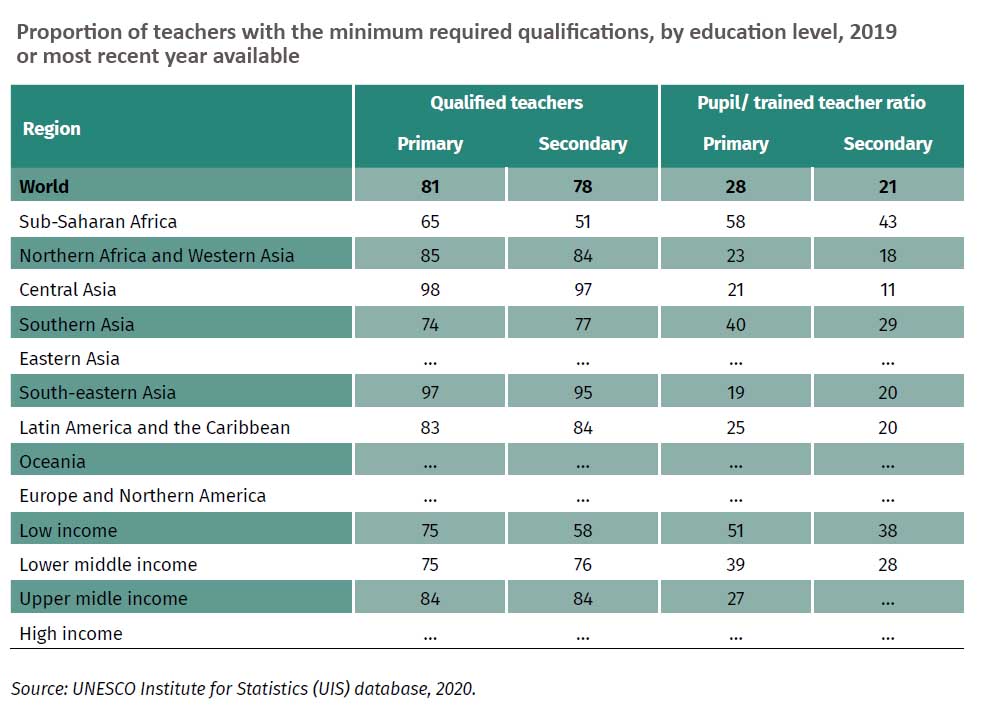
For this we need more qualified teachers. There are already 28 million more teachers worldwide than there were 20 years ago, but this does not meet the demand for the 69 million teachers previously estimated to ensure universal primary and secondary education by 2030. The need is greater in disadvantaged regions. For example, 70% of countries in sub-Saharan Africa have teacher shortages at primary level, with an average of 58 students to every qualified teacher. Compare this with South-eastern Asia where the average ratio is only 19 students to every teacher. 

Levels of teacher training also differ greatly between global regions: 65% of primary teachers in sub-Saharan Africa have the minimum qualifications required trained, compared with 98% in Central Asia.
 

ratioteacherpupil


It is a complex conundrum: education is the best way for disadvantaged societies to redress global inequalities, but they are fundamentally handicapped, with neither the capacity nor teacher training to give every student the support they need.


Who teaches the teachers?

There are some concrete proposals that aim to increase the level of support teachers receive. The African Union, for example, has developed universal standards for teacher qualifications that will ensure all teachers are equipped with the knowledge, skills and values they need. This means those teachers will be better prepared when they enter the classroom, and this, coupled with wider recruitment to decrease classroom sizes, can greatly improve the quality of education systems in the region.

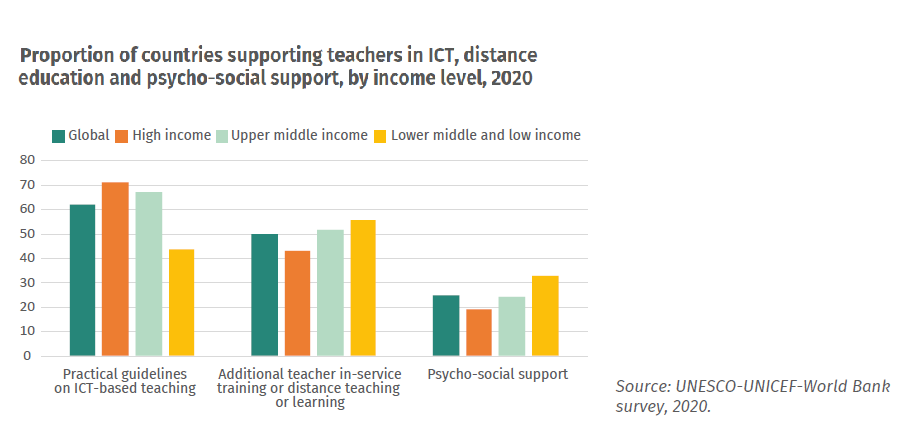
COVID-19 has forced a transition to remote and online learning. Teachers therefore urgently need better training in information and communication technology (ICT). Yet research shows that only 43% of teachers in OECD countries feel prepared to use ICT to deliver lessons. Help is coming, but again the pandemic shines a light on global inequality as too many homes in low-income countries lack the devices and connectivity to learn online. Teacher in low income countries also struggle given that only 41% of them receive teachers practical ICT guidance, compared with 71% in high-income countries.

ICT teachers


Look to the leaders

Leadership training can mitigate the worst disparities of COVID-19, empowering individual teachers to lead their colleagues through this difficult time. 

Strong leaders create a culture of trust in schools, instilling a collective sense of responsibility, and offering support and recognition. For example, Professional Learning Communities (PLCs) are forums where teachers can support one another’s training and development. In Rwanda, 843 school leaders, having completed a diploma in school leadership, are using PLCs to share the benefit of their training with colleagues. In South Africa, school leaders are encouraged to set up PLCs and use them to induct novice teachers into the profession, giving them the confidence to take responsibility for their own professional development. And in Ecuador, 287 school leaders participate in PLCs to exchange best practices and organise themselves into a supportive network.


What else do teachers need?

Better training and strong leadership within schools will benefit global education systems for years to come. But another issue made more urgent by the pandemic is inclusivity. As students return to school, the ability of teachers to promote an inclusive environment is a vital skill to mitigate disruption and ensure students aren’t excluded from learning.

61% of countries from a recent survey claim to train their teachers on inclusivity skills, but very few guarantee such training in their policies or laws. However, the pandemic has already done  enough to distance teachers from their students and students from each other. With many schools still observing physical distancing to slow the spread of the virus, specific training in inclusive teaching is necessary to ensure a cohesive and effective learning environment.


Much work done, much still to do

Teachers must be given guidance and professional development opportunities to ensure they feel equipped to hold their classrooms together, physically or virtually. In many parts of the world, this is sorely lacking.

Work is underway to improve the situation. New standards are being set, training is being implemented, and everywhere strong leaders are creating inclusive, supportive learning environments. For true progress to be made however, governments must listen to teachers and teacher unions. Real change can only happen if teachers' voices are heard. Teachers and policymakers need to navigate this new world together.

Consult the 2020 World Teachers' Day fact sheet published by the International Task Force on Teachers for Education 2030, UNESCO Institute for Statistics and the Global Education Monitoring Report.

This blog is part of a series of stories addressing the importance of the work of, and the challenges faced by teachers in the lead up to this year’s World Teachers’ Day celebrations.

*

Cover photo credit: GPE/Kelley Lynch

Blog
  • 30.09.2020

How teachers keep students learning in one of the most difficult places in the world to go to school

The Democratic Republic of the Congo (DRC) is one of the hardest places on Earth to go to school. Though rich in natural resources, it struggles with political instability, extreme poverty, limited infrastructure, and armed conflict.

While primary education was officially made free for most of the country in 2010, according to UNICEF, this is not applied in practice with parents still shouldering the majority of schooling costs. UNESCO estimates that 4 million primary-school age children are still out of school.

There is a severe shortage of qualified teachers (particularly of qualified secondary school leaders) in the Congolese education system, resulting in large class sizes which can reach 100 pupils per class in the most marginalised areas. This is in part due to the evaporation of the state budget in the 1980s, with funding for education being cut from 25 per cent to seven per cent of state expenditure, reducing teachers’ salaries to a fraction of what they were before. Even when education is available, many parents fear sending their children to school as armed groups infamously use child soldiers – many of whom are abducted from schools – and frequently target schools for looting and burning.


Schools forced to close

Educators in the DRC have also been facing infectious disease. The country has wrestled with an Ebola epidemic in Kivu since 2018 and is still fighting the world’s largest outbreak of measles. When COVID-19 appeared in the DRC in March, the country was battling what a Red Cross leader described as a “perfect storm” of epidemics.

Upon the arrival of Covid-19, schools were forced to close (along with almost all other public spaces) and teachers were sent home in a months-long lockdown decreed by President Félix Tshisekedi. 


Door to door visits

While most schools in the Global North switched to online education during school closures, this was not possible across the DRC, where internet penetration hovers at around 19 per cent with regular blackouts.

Save the Children UK have shared with us the stories of teachers who did everything possible to help children retain what they had learned throughout the lockdown. 

During the closures, the charity mobilised to support stranded pupils and teachers, such as by helping to establish distance learning programmes on radio and television. The organisation empowered teachers to encourage pupils to read over notes and work on mathematics with their parents. 

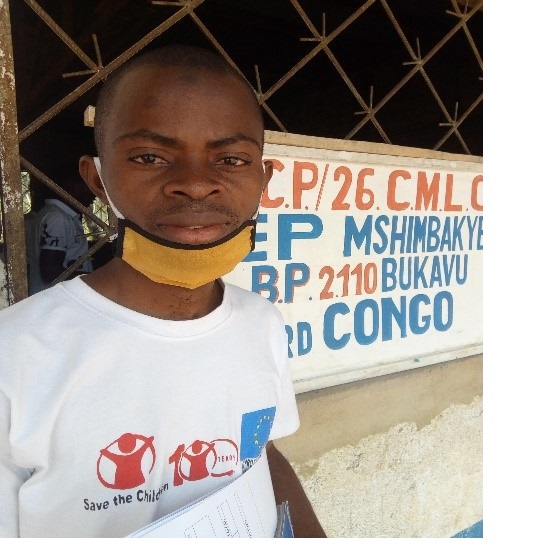
UWEZO MATESO For instance, Uwezo Mateso, a teacher at UHAKI primary school in Mushimbakye in Fizi, South Kivu, encouraged children to continue with their learning by listening to lessons broadcast via community radio with their parents, and doing work assigned remotely. On door to door visits to his pupils, Claude Buivuge Kasherangwa, a fifth-grade teacher at Musenyi Primary School in Sangre, South Kivu also assigned additional school exercises to keep children learning.
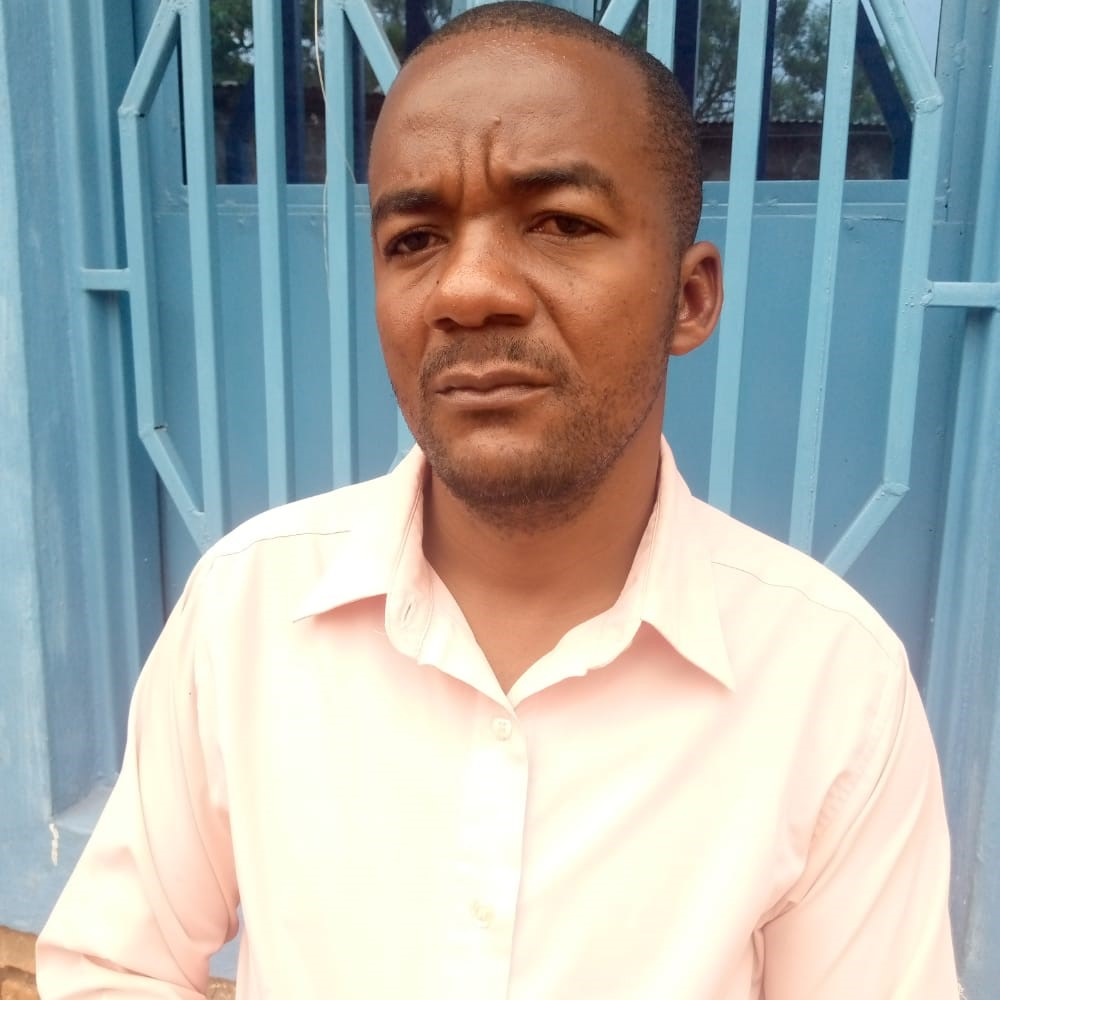
I myself have assigned a number of numeracy exercises to some children and show parents what they have to do with children, in order to keep them at home and limit their wandering, which is a risk of being contaminated,” he said. “The big challenge is that many parents are illiterate and they do not supervise children’s learning at home.”


Teachers lead the community against the virus

Many teachers also took on new responsibilities, such as communicating public health advice to their communities.

Claude BUIVUGE KASHERANGWAKasherangwa, found himself locked down in his village and frightened of being infected by the virus. However, he reached out to advise measures for reducing viral transmission, after attending a health training programme organised by Save the Children.


Schools were closed but my community did not know much about this global pandemic, the cause of closing schools,” he told Save the Children UK. “Despite my anguish, and after attending [training] about the impact of COVID-19 on children’s learning, I have taken steps to sensitise my community on barrier measures to protect themselves against the coronavirus." 

Kasherangwa encouraged regular hand washing, social distancing measures such as greeting others without contact, staying home, and wearing face masks. In August, schools were reopened, reuniting teachers and pupils after months of separation.

*

Thanks to Save the Children UK for collecting these teacher testimonies from DRC. This blog is part of a series of stories addressing the importance of the work of, and the challenges faced by teachers in the lead up to this year’s World Teachers’ Day celebrations

*

Cover photo credit: Joan Marie del Mundo / Save the Children. The photos used in the body of the article have been provided by the teachers themselves.


News
  • 22.09.2020

2020 World Teachers’ Day Teachers: Leading in crisis, reimagining the future

A week of events to celebrate teachers from all over the world

Teachers’ vital role at the heart of the education system has been highlighted this year, as never before, by the leadership they have demonstrated in ensuring continuity of learning during the COVID-19 pandemic. This crucial achievement is marked by the theme of World Teachers’ Day 2020, on October 5:Teachers: Leading in crisis, reimagining the future”.

Every year, World Teachers’ Day is an opportunity to celebrate the teaching profession, highlight teachers’ accomplishments and draw attention to teachers’ needs and voices. The day commemorates the adoption of the 1966 ILO/UNESCO Recommendation concerning the Status of Teachers and the 1997 Recommendation concerning the Status of Higher-Education Teaching Personnel.

Since the adoption in 2015 of fourth Sustainable Development Goal (SDG) – “Ensure inclusive and equitable quality education and promote lifelong learning opportunities for all”, World Teachers’ Day has also provided an occasion to take stock of progress towards SDG target 4.c. on increasing the supply of qualified teachers and address challenges faced by the teaching profession.

Those challenges have multiplied exponentially this year as the unprecedented situation created by the COVID-19 pandemic has severely tested education systems that were already constrained. Teachers have individually and collectively demonstrated leadership, innovation and creativity at classroom, school and community levels while responding to the many challenges imposed on their work and working conditions. The pandemic has also highlighted the importance of systemic and ministerial support for teacher leadership at times of crisis.

In the light of teachers’ experiences during the pandemic, World Teachers’ Day events this year will explore the theme of teacher leadership. Discussions and interactions throughout the weeklong celebration will focus on how teacher leadership in different forms can enable the building of resilient education systems in the face of crises.


Multiple initiatives to strengthen effective teacher policy-making

As part of the week’s events, the Teacher Task Force will officially launch the Knowledge Platform, with a Knowledge Hub promoting evidence-based policy-making that supports teachers with over 300 quality documents and the Working Space where members and partners can connect and exchange valuable resources.

A virtual campaign featuring powerful stories of teachers and school leaders has already been launched, with the precious contributions of Teacher Task Force members and partners. The campaign’s articles and short videos put the spotlight on teachers and school leaders who ensured that learning continued during school closures, highlighting the importance of their leadership role and the challenges they face.

Together with the Global Education Monitoring Report team and the UNESCO Institute for Statistics, the Teacher Task Force will co-publish a World Teachers’ Day 2020 fact sheet and a policy paper focusing on teachers and inclusion.  

Along with the UNESCO regional offices, members and partners, the Teacher Task Force will organize a series of regional meetings to explore different types of teacher leadership in diverse national contexts and their roles in achieving quality education and developing effective solutions to tackle challenges posed by the COVID-19 pandemic. The meetings will highlight member countries’ and organizations’ experiences related to teacher leadership at various levels in times of crises. Drawing on this experience, the meetings seek to shine a light on good practices, challenges, and enabling and constraining factors for the holistic development of teacher leadership to build crisis-resilient education systems.

The meetings are open to Teacher Task Force member countries and organizations as well as non-members. Find out more and join the events through the following links:

A meeting convening members and partners from Latin America and the Caribbean is also being planned.


Blog
  • 23.09.2020

3 reasons why school leadership is vital for teacher success

School improvement rarely occurs without effective leadership, and school leadership is only second to classroom teaching in its influence on student achievement. A new evidence review report from Global School Leaders paints a complex and ever-changing picture of school leaders, with their roles, responsibilities, and impact varying around the world.

In the lead up to World Teacher’s Day (5 October), we’ve outlined three ways that school leaders are vital for teacher success and student outcomes:

1. School leaders establish great teaching practices

School leaders can support educators and their pupils by establishing effective teaching practices. They can harness the talents and motivations of teachers, students, and parents; develop inclusive and inspiring learning cultures for the whole school; and provide intensive, individualised, and sustainable teacher training.

The impact of strong school leadership on education is clear; a recent study spanning 65 countries found that students led by the top 25 per cent of school leaders receive the equivalent of three extra months of learning every year compared to those led by the bottom 25 per cent. There is considerable interest in targeting school leaders amid efforts to improve outcomes for students in a cost-effective manner, with one study finding that a one-point increase in scoring on school management practices is associated with a 10 per cent increase in student performance.

In order for leaders to develop the best teaching practices for their schools, it is essential that they are not burdened by unnecessary administrative responsibilities (they commonly spend less than 25 per cent of their time managing student learning activities), and that they receive appropriate training. 

Where training for school leaders is limited, there are a number of free resources available online.  For example, the UNESCO Institute for International Capacity Building in Africa’s training manuals for school leaders – which were deployed in Guinea, Lesotho, Nigeria, and Sierra Leone – can help plug these gaps in training. We have also published this Toolkit to help school leaders support and protect teachers and education support staff in the return to school following COVID-19.

2. A good school leader understands the needs of their school

Since the 1980s, decentralisation efforts have shifted decision-making powers to the lower levels of education systems in many countries. This transition is based on the premise that school leaders are familiar with the specific needs of their school, and are therefore better placed to make and execute decisions about how they are run.

Autonomous school leaders may make their own decisions about budgets, curricula, and personnel, rather than being overly restricted to implement government policies. This freedom can allow schools to adjust quickly to changing educational expectations and the particular needs and interests of their students. A study of schools in South Korea found that school leader autonomy over curricula and assessment had a positive association with achievement in mathematics, particularly for lower-performing pupils.

At present, however, some school leaders are appointed based on seniority or political considerations rather than on skills and experience. In order to ensure that decentralisation benefits teaching and learning, increasingly-autonomous school leaders should also be held accountable and armed with necessary skills and resources. According to the Global School Leaders report, this should include training on interpreting and utilising learning data.

3. School leaders show the way through troubling times

When schools are facing adverse circumstances, strong leadership is critical for resilience, adaptation, and recovery. Natural disasters, conflicts, and health crises like the coronavirus pandemic severely disrupt education and force educators to adapt to challenging circumstances.

The best educators may seize opportunities in the midst of a crisis. Dr Sara Ruto, chair of the Kenyan Ministry of Education’s Covid-19 response, has said that the current COVID-19 crisis “is giving energy to some of the pillars of the curriculum that had not found a voice before - for example, parental engagement, empowerment, and values-based education.” He advised school leaders to use this opportunity to engage parents to help them enrich the student experience.

Evidence points to strong leadership as a critical factor in seeing school communities through crises. For instance, preliminary evidence from Puerto Rico appears to suggest that strong school leaders were better placed to utilise remote learning tools and retain student engagement throughout Covid-19 school closures. And an analysis of school closures during Hurricane Matthew in Haiti in 2016 showed that despite devastating infrastructure damage, schools with strong management still improved the reading grades of early year students.

*

This blog is part of a series of stories addressing the importance of the work of, and the challenges faced by teachers in the lead up to this year’s World Teachers’ Day celebrations.

*

Cover photo credit: GPE/Ludovica Pellicioli


Event
  • 23.09.2020

Regional Virtual Meeting for Anglophone Africa - Teachers Leading in crisis, reimagining the future

The International Task force on Teachers for Education 2030 (TTF) in collaboration with UNESCO International Institute for Capacity Building (IICBA) will host a Regional Virtual Meeting for Anglophone Countries on 7 October at 15:00h-16:30 (Paris time GTM +2).

Following from the Regional Meetings initiated in May/June of 2020 on distance teaching and the return to school, the TTF, with member organizations and partners is organizing a new series of discussions to coincide with the WTD celebration.  These will build on the initial dialogue while also exploring the topic of teacher leadership and its key role in developing effective solutions to address challenges during the COVID-19 pandemic and building back resilient education systems.

In particular, the regional meetings will provide a forum to:

  • Share examples of leadership that emerged, were implemented or are planned during different phases of the pandemic including the transition to remote teaching and the return to school;
  • Identify the different systemic or policy level enabling factors that were conducive to foster effective leadership amongst school leaders and teachers at the classroom-, school- and community-levels;
  • Identify challenges that need to be addressed to ensure leadership can be enhanced and teachers can take the lead on different dimensions of teaching and learning;
  • Discuss different tools available to support teacher leadership, including the new TTF Toolkit for Reopening Schools, and TTF Knowledge Platform.

Some of the main questions to be covered will include:

  • What government interventions were implemented or are planned to strengthen leadership capacity of school leaders and teachers to ensure the continuity of learning in the use of distance education and the return to school (if applicable) at the classroom-, school-, and community-levels?
  • Given the lack of time to prepare for school closures in most countries, what examples of leadership decisions and actions emerged to ensure the continuity of learning at the micro-(classroom), meso-(school) and macro- (community) levels?
  • What forms of social dialogue were conducted or are planned within a strong teacher leadership orientation to ensure the voices of teachers are included in planning?
  • What enabling factors and challenges currently exist to foster a leadership mindset?

The meeting is open to TTF member countries and organizations as well as non-members. TTF focal points, representatives of Ministries of Education, and other relevant education stakeholders working on teachers’ issues in the region are invited to join the meeting.